

Image Credit: Shutterstock
Last week, every major AI player — Google, OpenAI, Microsoft, and Anthropic—went head-to-head in a full-blown battle for the spotlight.
This series kicks off with the latest AI announcements, then dives into how AI is transforming healthcare right now.
🎧 Listen to “AI is Reshaping Life, May 2025”
🎧 Listen to “AI is Reshaping Life, 2025년 5월 (Korean)”
Generated by NotebookLM
AI Big Bang Week: The Future Just Leveled Up
• Microsoft (May 20)
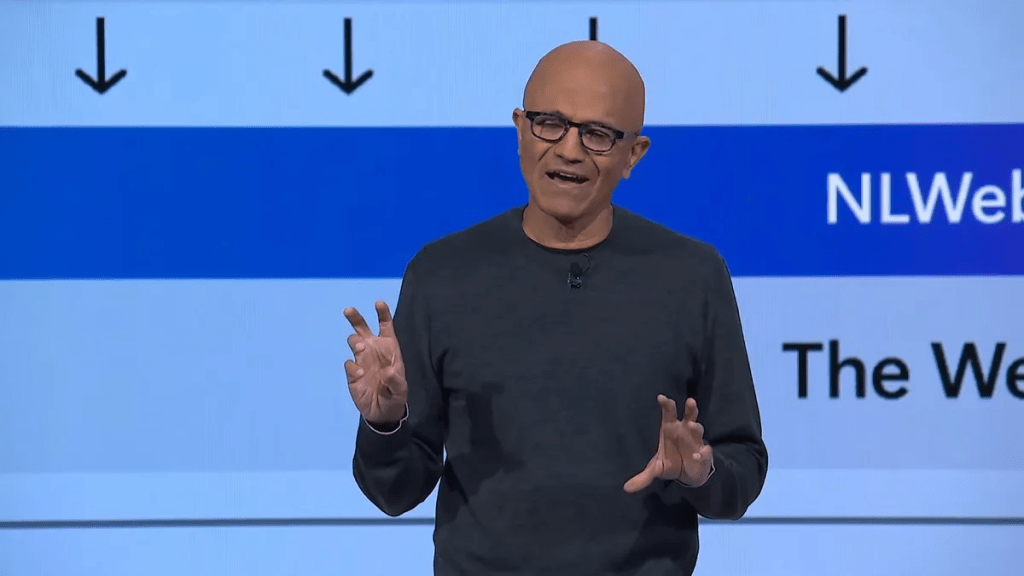
At Build 2025, Microsoft expanded Copilot across Windows 11 and Microsoft 365, and introduced a new framework for multi-agent orchestration. This article offers a great summary of the key announcements from Microsoft Build 2025.
Organizations can now build multi-agent systems in Copilot Studio. Microsoft shared that over 230,000 organizations—including 90% of the Fortune 500—are already using Copilot Studio to create and customize agents.
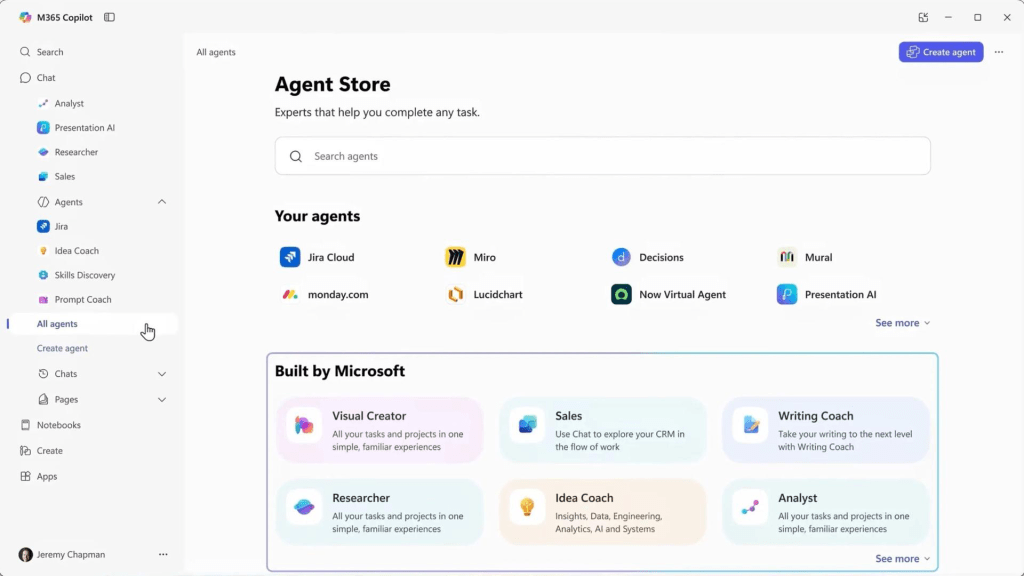
In addition, with the new Agent Store in Copilot Chat, users can discover prebuilt agents from Microsoft, access their company’s custom agents, and explore tools built by top software vendors.
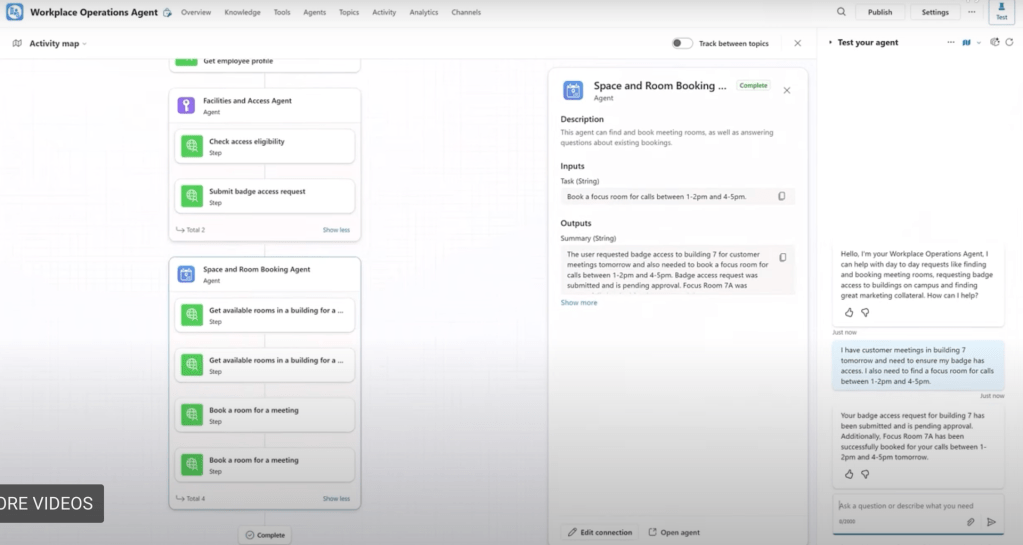
Multi-agent orchestration in Copilot Studio allows agents to share data, collaborate on tasks, and divide work based on expertise.
For example, agents in HR, IT, and marketing can coordinate seamlessly to onboard a new employee—each playing a different role.
I’m especially interested in these features in Windows and will definitely be keeping an eye on them.
Anyone who’s worked in a large organization knows this:
as companies grow, ERP systems often become more complex and fragmented. Despite being called “systems,” they tend to lack true integration—data silos and disconnected processes are the norm. But with multi-agent orchestration, that could fundamentally change.
Imagine if agents could collaborate and share data across functions via low-code or even no-code tools.
It wouldn’t just streamline operations—it would unlock scalable workflows, break down silos, and enable more end-goal-driven decision-making.
Tasks like handling customer feedback, pushing feature updates, running QA, and monitoring user response could all be accelerated by agent collaboration!
While this sounds like a corporate use case, the opposite is just as exciting:
startups can now operate at enterprise scale, managing systems and workflows that were once only possible for large organizations.
In some cases, building from scratch with agents might be more efficient than retrofitting legacy systems.
• Google (May 21)

Google unveiled Gemini 2.5—a multimodal powerhouse—and introduced Veo 3, a high-resolution video generation model, along with AI Overviews that turn search into a conversational experience.
The tech world lit up with excitement around Veo 3 this week!
I gave it a test run myself and created a teaser video for EON.
It was eye-opening. I got a real sense of how we can now leverage AI tools that once required entire teams—just 10 years ago, I needed location scouts, a cast, editors, designers… and now, it’s just me and a prompt. (The full story is here.)
‘Your commitment lifts someone’s dream.’
Be part of a movement redefining healthspan.
Join the waitlist → https://eon.health
Some of you may have already noticed, but starting this week, I’m using Google NotebookLM to offer both English and Korean podcast versions of my newsletter content.
I’ve already processed the past few episodes too.
So if you’ve missed any, it’s a great chance to catch up through the audio versions. If you found the biology-related content a bit hard to digest in writing, I especially recommend listening to the podcast version. It might feel much more accessible.
From my experience, the way content is generated still varies a bit by language. For example, Korean and Japanese versions tend to strip down the details and lean more toward summaries. Just something to keep in mind.
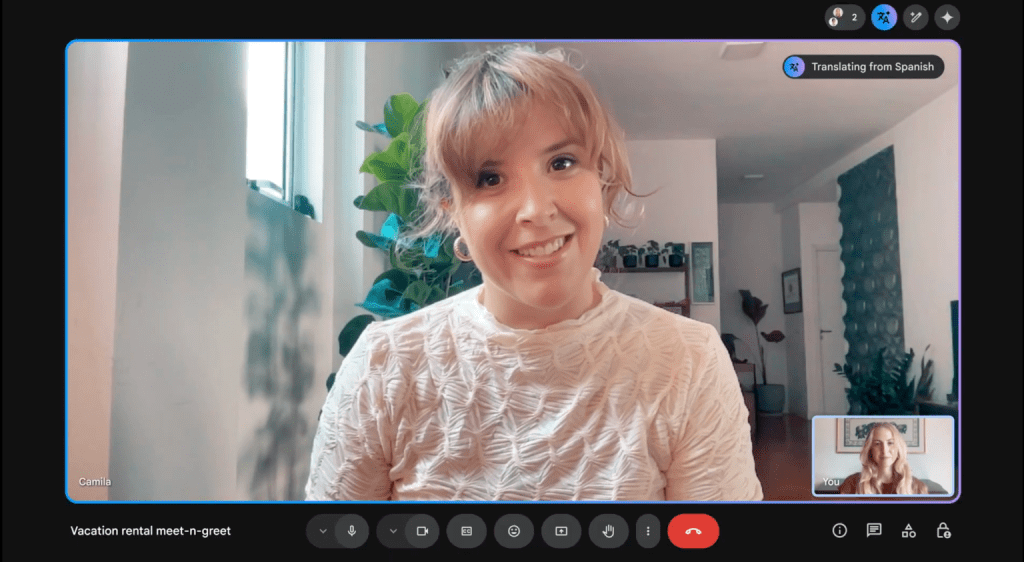
Personally, I’m especially fascinated by Google Meet’s real-time translation feature! I’m excited to start using it soon to share my ideas and perspectives more effectively—right in the moment.
• OpenAI (May 21)

Google dominated the news with its I/O conference until OpenAI made waves.
OpenAI acquired Jony Ive’s AI device company io for $6.5B,signaling a leap into personalized AI hardware. What began as a reported collaboration in Sep 2023 has, nearly two years later, taken shape as a $6.5 billion acquisition of Jony Ive’s company.
Looking back, it’s clear that Sam made a really compelling offer to Ive.
Regardless of my personal feelings toward Sam, I found this to be yet another impressive example of his exceptional talent for sourcing both talent and capital.
• Anthropic (May 22)
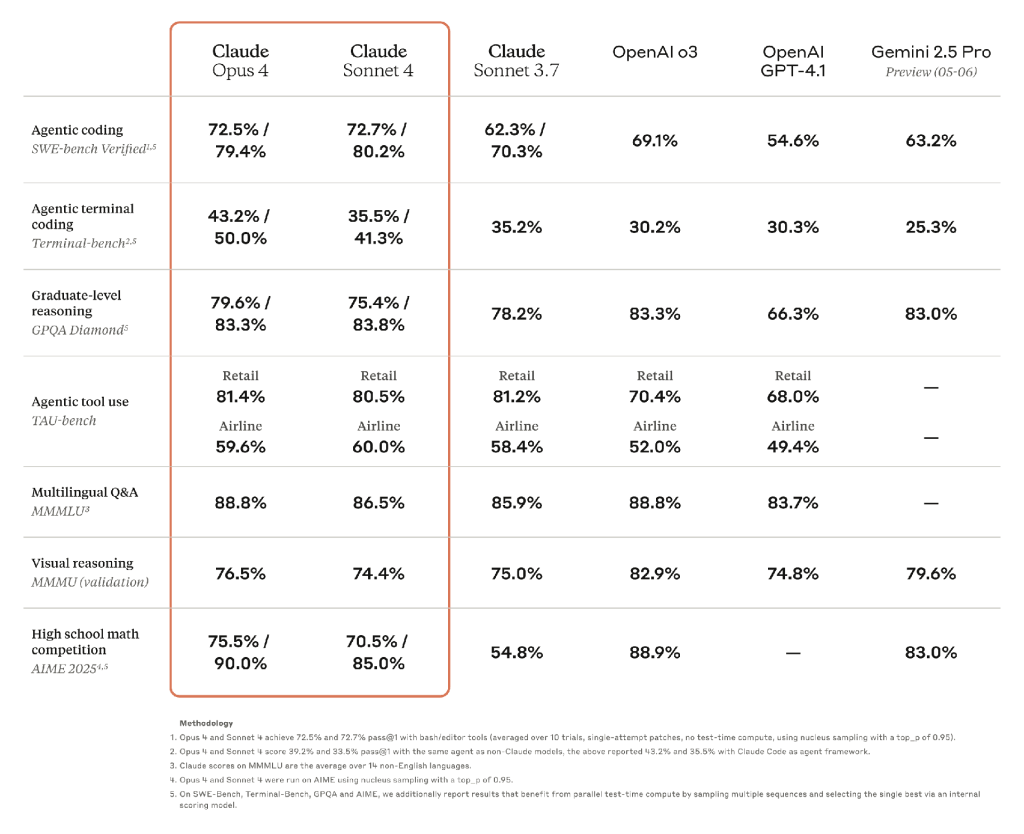
Released Claude Opus 4 and launched its AI for Scienceinitiative with $20K API grants for life sciences researchers.
If you’re a builder,
another big step forward just happened.
Previously, we looked at Microsoft’s approach to multi-agent orchestration—where different agents across functions like HR, IT, and marketing collaborate on tasks.
Claude takes a similar concept but applies it specifically to software engineering.
With Claude, you can provide natural language feedback on software, ask for a fix.
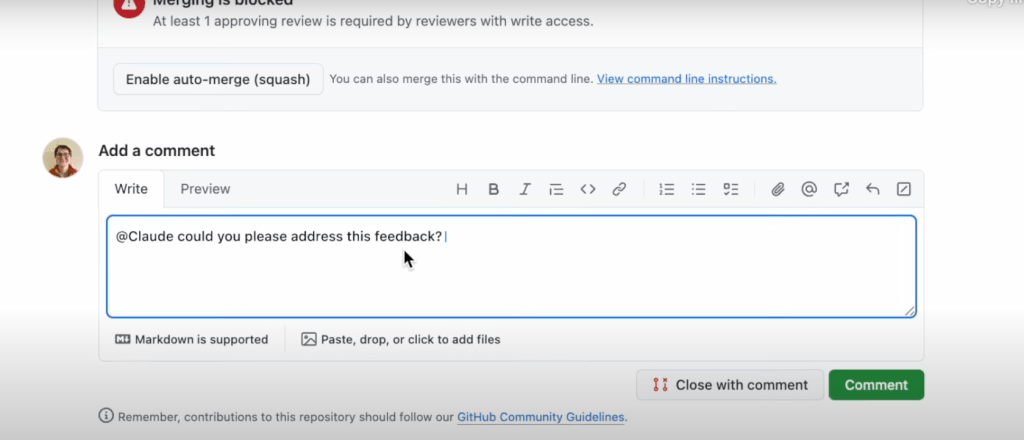
It will autonomously handle the tasks—from identifying the issue to rewriting the code, testing it. And it is reporting back with a detailed breakdown of what was done.
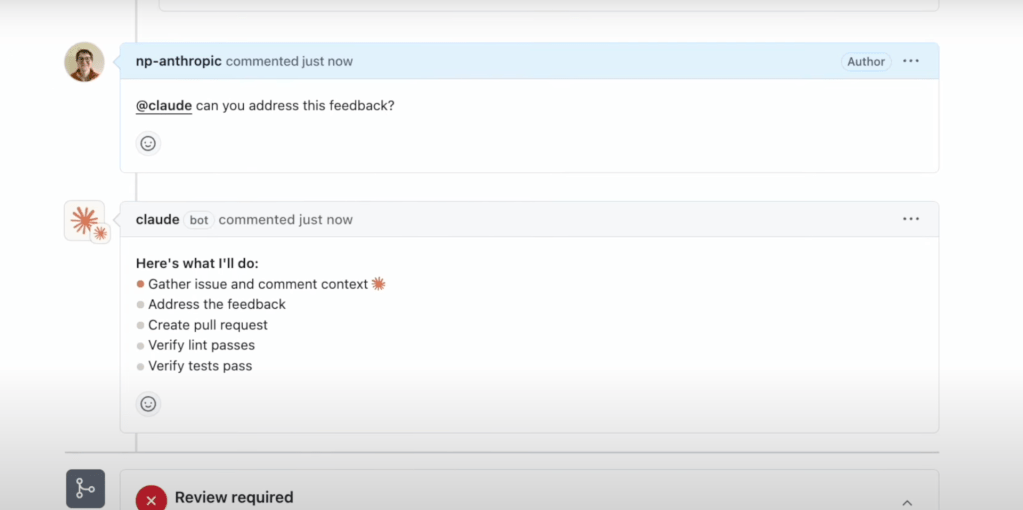
And it reports back with a detailed breakdown of what was done.

In essence, one agent can take on the role of a junior developer.
I call it a junior developer not because of its limitations, but because even when the algorithmic complexity is high, the scope of the task is usually narrow and well-defined—just like the kinds of assignments junior developers often handle.
Interestingly, this shift increases the value of cross-functional thinking. Ironically, the people best positioned to manage agents are often those who’ve done the detailed work themselves. In that sense, senior engineers who embrace these changes can turn their hands-on experience into strategic wisdom. But doing so requires an intentional process of unlearning.
As for students or junior professionals, I believe they shouldn’t waste time learning tools or techniques that are on their way out.
Instead, they should focus on building foundational thinking skills—the kind that remain relevant even as tools evolve.
What strikes me most about this transition is how similar prompting AI agents feels to managing people: you need to think through the problem from multiple angles, describe it clearly, provide enough context, and articulate both the big picture and the small details. It’s not so different from effective team leadership.
And one funny realization I’ve had lately: my expectations are rising.
I find myself craving more depth and more insight in the same amount of time. I want higher-quality input and demand more refined output.
So I’ve been reflecting—while we often imagine that better tech will allow us to rest more, I wonder if that’s really true. 😄
This week reminded us that the way we work, think, and spend time is shifting, faster than many of us realize.
It doesn’t matter if you’re an artist, a scientist, a investor, a professor, a doctor, an engineer, or a business leader.
It was a reminder that we may need to unlearn how we approach our work and time and rethink things from the ground up.
Change isn’t coming—it’s already here.
If you haven’t felt the need to adapt, now might be the moment to pause and ask why.
Next week, we’ll explore how these changes are already reshaping healthcare.
 Kyunivers
Leave a comment